Visivra Official Website › Eye Supplement Guide
Eye Supplement GuideThe Eye Supplement Guide: What The Evidence Supports
Most eye supplements are built from the same six or seven ingredients, and the evidence behind them is more specific than the labels suggest.
One trial family carries the category, and it tested a fixed formula in people who already had an eye disease. This guide sets out what each ingredient has behind it, at what amount, and in whom.
Ingredient by ingredient, with the amount and the population attached to each.
The two trials the whole category rests on
What AREDS and AREDS2 tested, in whom, and the question neither one answered.
Almost every claim in this category traces back to two trials run by the National Eye Institute, and understanding what they tested is worth more than reading twenty labels.
The original AREDS trial tested a high-dose antioxidant and zinc formula: vitamin C, vitamin E, beta carotene 15 mg, zinc 80 mg as zinc oxide, and copper 2 mg to offset the zinc. It enrolled people with age-related macular degeneration and measured whether the formula slowed progression to the advanced form.
AREDS2 came later and changed two things. It added lutein 10 mg and zeaxanthin 2 mg, and it tested removing the beta carotene. Its report No. 3 looked specifically at what the lutein and zeaxanthin contributed, and report 28 followed the participants for ten years.
| AREDS | AREDS2 | |
|---|---|---|
| Who was enrolled | People with age-related macular degeneration | People with intermediate AMD, or advanced AMD in one eye |
| What was measured | Progression to advanced disease | Progression to late disease, over five years |
| Zinc | 80 mg with copper 2 mg | 80 mg, with a 25 mg arm also tested |
| Carotenoids | Beta carotene 15 mg | Lutein 10 mg + zeaxanthin 2 mg |
| Beta carotene | Included | Removed, after the lung cancer findings in smokers |
| What it does not show | That healthy eyes see better | That healthy eyes see better |
Both are secondary-prevention trials: they ask whether something already present gets worse more slowly. That is a different question from whether a healthy eye benefits.
The last row is the one that matters when reading a label. A product quoting AREDS2 at a customer with no eye disease is borrowing a finding from a population that customer is not in.
The separate question of prevention has its own evidence and it is weaker. The Cochrane review on prevention asks whether antioxidant supplements stop age-related macular degeneration developing in the first place, and the 2023 Cochrane review covers slowing it once present. Reading both is the fastest way to see how different the two questions are.
A review of what AREDS2 settled is useful for anyone who wants the trial's own community's reading of it rather than a marketing summary.
Lutein and zeaxanthin: the strongest case in the category
The measurable layer, the trials that moved it, and the four things a label should say.
These two are the backbone of a modern eye formula and they have the best claim to be there. The body cannot make either one; both are taken up selectively by the macula and laid down as a measurable yellow pigment layer; and that layer absorbs the short-wavelength light that scatters most inside the eye.
The measurement to know is macular pigment optical density. It is a real instrumented number, it rises with intake, and it rises slowly. A 2020 randomised trial tracked that rise alongside contrast sensitivity over months.
In people without retinal disease, the interesting evidence is about contrast rather than acuity. CREST enriched macular pigment in people free of retinal disease and reported improved contrast sensitivity at twelve months. A separate trial looked at contrast sensitivity and lateral inhibition. A head-to-head trial compared formulations in non-advanced AMD.
Two meta-analyses are worth knowing about because they are quoted in both directions. A 2019 analysis and an earlier one pooled lutein supplementation in age-related macular degeneration, and the picture they give is of a real but modest effect on specific measures rather than a transformation.
Form and dose both matter and labels are usually silent on the first. A comparison of free lutein against the lutein ester found the two behave differently in the bloodstream, and a zeaxanthin dose comparison looked at what different amounts do to macular pigment. A label that prints a weight without naming the form is leaving out half the information.
Absorption is the third variable and it is the one a buyer controls. A controlled feeding study shows what dietary fat does for carotenoid uptake, which is why every sensible instruction in this category says to take the capsule with a meal.
- A printed amount. Ten milligrams of lutein and two of zeaxanthin is the AREDS2 pairing and the figure the whole category is measured against.
- The source. Marigold is the usual one, and a named source is a better sign than a bare ingredient name.
- The form. Free lutein and lutein esters absorb differently, and almost no label says which it uses.
- The ratio. Lutein and zeaxanthin appear together in the trials at roughly five to one, and a product with one and not the other is a different proposition.
- An instruction to take it with food, which is the cheapest thing a label can do for a buyer.
Bilberry: the famous claim, and the real one
What did not survive placebo control, what did, and why a percentage matters more than a weight.
Bilberry carries the most repeated story in this whole category: that Royal Air Force pilots ate bilberry jam to see better at night. It is a good story and it does not survive testing.
A systematic review of placebo-controlled trials went looking for the night-vision effect and found that the positive results sat in the uncontrolled studies. When a placebo was introduced, the effect went away. Any product still selling bilberry on night vision is selling folklore.
The modern evidence is narrower and more interesting. A twelve-week randomised trial gave 240 mg a day and looked at ciliary-muscle function, which is the muscle that changes the lens shape for close work. A trial in display-terminal workers gave 480 mg a day for eight weeks to people who spend their working day at a screen. A combination trial tested it alongside other ingredients.
The practical lesson for label-reading is about standardisation rather than weight. Bilberry extracts are normally standardised to an anthocyanin percentage, and a 25 per cent extract at 100 mg delivers twenty-five times what a 1 per cent extract delivers at the same weight.
So a bilberry row that prints a milligram figure and no percentage has told you less than it appears to. The two trials above used 240 mg and 480 mg of extract per day, which is the range worth comparing against.
Astaxanthin: a carotenoid that does something different
Where its evidence actually sits, and one thing to watch in how it is cited.
Astaxanthin belongs chemically with lutein and zeaxanthin and behaves unlike them in the eye. It does not accumulate in macular pigment. Its research sits on the eye-strain and focusing side of the category, and its commercial source is a freshwater alga rather than a flower.
The most recent good trial is a 2025 randomised study giving 4 mg a day for eighty-four days against digital eye strain. Its participants were children, which is a detail worth carrying whenever the result is quoted in a product sold to adults. A three-carotenoid trial tested astaxanthin alongside lutein and zeaxanthin rather than on its own, which is the commoner design.
A review of the compound covers the wider literature. A good deal of it is laboratory work on oxidation, which is a mechanism rather than an outcome, and a review of nutrition and digital eye strain is the better place to see how the clinical studies in this area are built and how much of their outcome is self-reported.
Several accommodation studies frequently cited in astaxanthin marketing could not be located in PubMed during the check that produced this website's reference list. A citation nobody can open is worth less than no citation at all, and a label or a page quoting a study by author name alone is worth checking before believing.
Zinc: the ingredient with a ceiling and a companion
Why AREDS used 80 mg, why it added copper, and the ceiling every label should respect.
Zinc is the mineral that made the original AREDS formula work as well as it did, and it is the ingredient in this category most capable of causing a problem if a buyer is careless about totals.
The retina holds zinc in unusually high concentration, where it is a cofactor for enzymes that recycle vitamin A after light strikes a photoreceptor. AREDS gave 80 mg a day, far above ordinary dietary intake, and it gave 2 mg of copper alongside it on purpose.
The reason for the copper is the important part. Sustained high zinc intake competes with copper absorption and pushes copper status down over months. A published case describes copper deficiency arising from an excess zinc intake, presenting as a blood abnormality rather than as anything obviously connected to a supplement, and a 2026 systematic review gathers the descriptive reports of blood-count disturbance after excess zinc, which is the nearest thing this question has to a published overview.
The other side of the record belongs here too. A controlled trial found zinc supplementation did not alter sensitive biomarkers of copper status in healthy participants. Amount and duration decide which picture applies, which is exactly why the amount should be printed.
The ceiling is 40 mg a day for adults, from every source added together, and it is set in the Institute of Medicine chapter. Food, a multivitamin, a cold lozenge and an eye formula all draw on that one figure, and usually only the last of the four is being thought about when it is chosen.
- A printed amount. Without it, nothing else in this section can be applied.
- Copper alongside it, especially if the zinc is high. AREDS did this deliberately.
- The form, since zinc oxide, gluconate and picolinate are not identical in absorption.
- An awareness of what else you take. Two invisible contributions toward a 40 mg ceiling is harder to manage than one visible one.
Vitamin A: the ingredient AREDS2 removed
Two molecules, two histories, and the one check that is genuinely binary.
This is the section worth reading before buying any eye supplement from anyone, and it is short.
Vitamin A on a label can mean two different things. Preformed vitamin A is retinol and its esters. Provitamin A is beta carotene and relatives, which the body converts as needed. MedlinePlus sets the distinction out, and the two have different research histories at high intakes.
Beta carotene's history is the reason AREDS2 exists in the form it does. CARET gave beta carotene 30 mg with retinol 25,000 IU to smokers and asbestos-exposed workers and was stopped early because the supplemented arm had more lung cancer. ATBC gave beta carotene 20 mg to male smokers and found the same direction. AREDS2's ten-year follow-up counted 23 lung cancers in the beta carotene arm against 11 without it, mostly in former smokers, odds ratio 1.82 (95% CI 1.06–3.12; P=.02).
Preformed vitamin A has a separate literature and it is about bone. A Swedish cohort related serum retinol to fracture risk and the Iowa Women's Health Study looked at vitamin A intake and hip fracture in postmenopausal women. The preformed form carries a ceiling of its own, 3,000 micrograms RAE a day in adults, set in the Institute of Medicine chapter.
So the check on a label is simple and it is binary. Either the vitamin A row names its form, or the product does not carry vitamin A at all. A row reading Vitamin A with no form and no amount is the one row in this category that a smoker or former smoker should settle before swallowing anything.
Blue light: what the best evidence actually says
Three findings from one review, and the one that gets collapsed into the other two.
Blue light is the most oversold idea in this category and the evidence on it is better than the marketing suggests in one direction and worse in another, so it deserves quoting precisely.
The physics is settled. Macular pigment is yellow, yellow absorbs short-wavelength light, and a thicker layer absorbs more of it. That is why the pigment is there and it is not in dispute.
The clinical evidence is about spectacle lenses rather than capsules. The 2023 Cochrane review of blue-light filtering lenses reached three separate conclusions and they get collapsed into one constantly: probably little or no effect on visual acuity in the short term, an indeterminate effect on sleep, and no randomised evidence at all on macular health.
That third finding is the one most often mangled in both directions. An absence of randomised evidence is not a finding of no effect; it means the trial has not been run. It is also not permission to claim a benefit, which is the mistake the marketing makes.
The honest position for a reader is therefore narrow. Carotenoids build a layer that absorbs blue light. Whether a thicker layer changes anything a person notices at a screen has not been established. And the things that reliably change how eyes feel at the end of a screen day are blink rate, screen hours, air conditioning and an up-to-date prescription, none of which costs anything.
What a good label in this category looks like
Eight features of a good label, and how often each one actually appears.
| Feature | What good looks like | How common it is |
|---|---|---|
| Amounts | A figure for every active, in a Supplement Facts panel | Common, and the category's baseline expectation |
| Carotenoid pairing | Lutein and zeaxanthin together, both with amounts | Common on modern formulas |
| Source and form | Marigold lutein, and whether it is free or esterified | Rare, and the commonest omission on an otherwise good label |
| Extract standardisation | An anthocyanin percentage on the bilberry row | Uncommon, and it decides what the weight means |
| Copper with zinc | Present whenever the zinc is substantial | Common on AREDS-style products, rarer elsewhere |
| Vitamin A | Named by form, or absent entirely | Inconsistent, and the row with the most at stake |
| Serving size and directions | Printed on the pack, with a food instruction | Nearly universal, which makes an absence notable |
| Lot code and a certificate route | On the bottle, with a desk that will supply it | Common for the code, much rarer for the certificate itself |
Eight features, in descending order of how often they appear. The companion scorecard turns these into checks with a pass or a fail.
Nothing on that list is exotic and most of it costs a manufacturer nothing except the decision to print it. That is what makes it a fair standard to hold a label to.
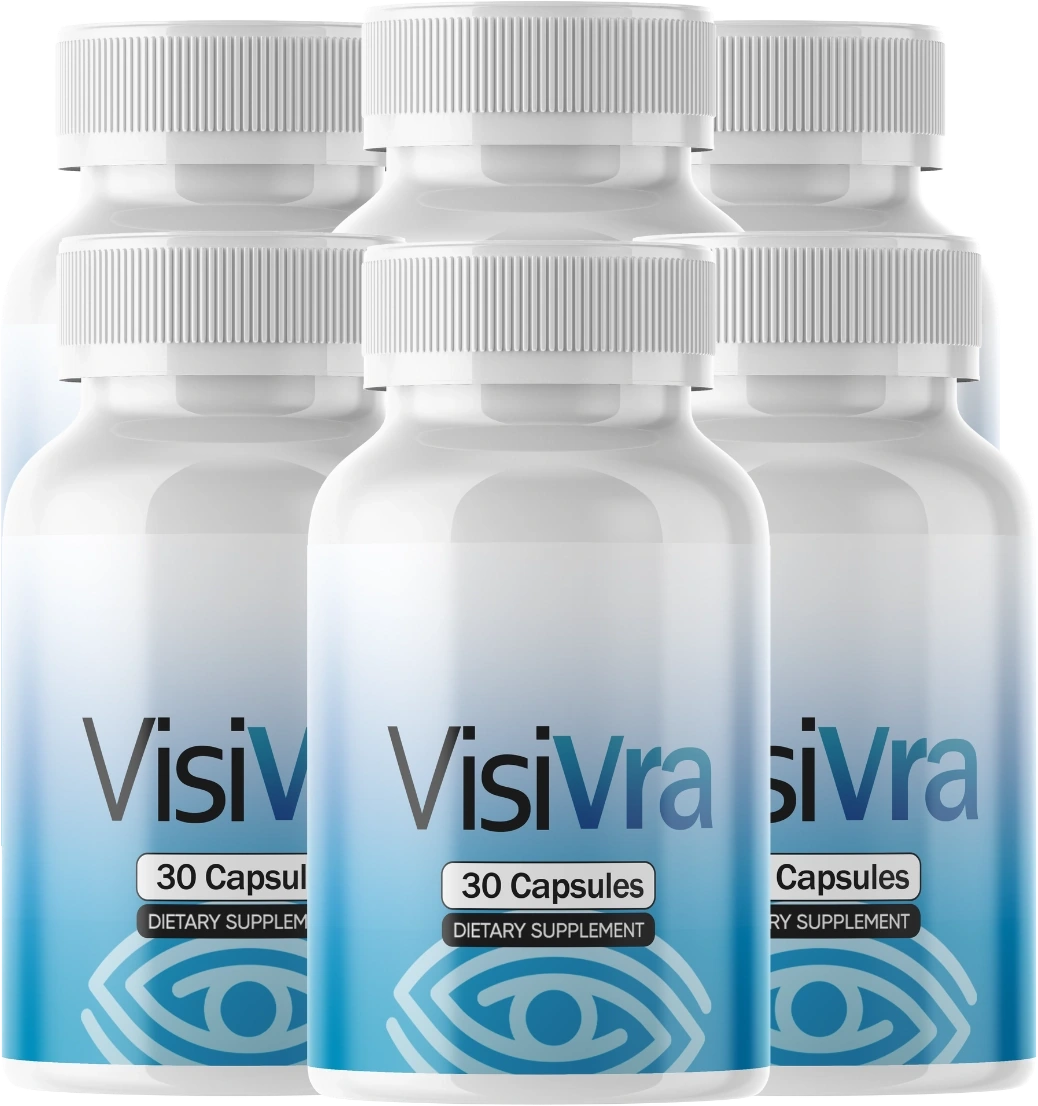
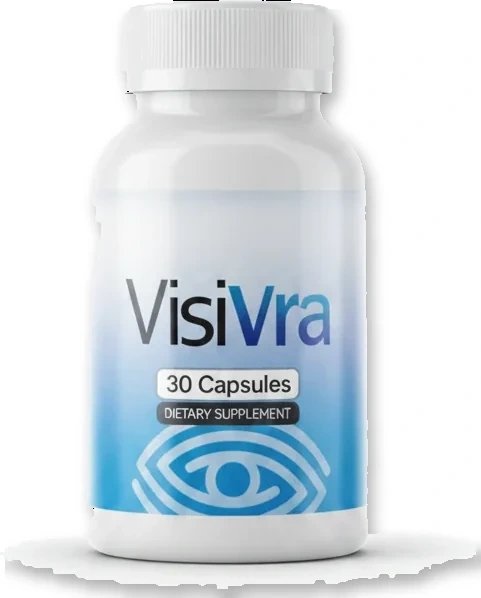
The companion page turns this into eight checks and applies them to Visivra, the product this website sells. It fails four of the eight. The scorecard is here.
When a supplement is not the answer
Four things a capsule does not address, and the order of operations that does.
Any honest guide to this category has to include the section that argues against the whole category, so here it is.
Several of the things people buy an eye supplement to fix are not nutritional problems at all. Blurring for near work in the forties is presbyopia, and it is optical. Worsening glare at night over months is most often a cataract forming, and the AREDS cataract arm is the trial that asked whether supplementation changes that course. Distortion in straight lines is the sign that sends people for a macular assessment, and the National Eye Institute sets out what one covers.
A supplement addresses none of those. An examination finds all of them, and most are treatable when found early, which is the strongest single argument in this whole guide.
Two more limits belong here. NCCIH's summary of antioxidant supplementation is a useful corrective to the general enthusiasm, and the AREDS2 analyses that looked outside the eye are worth knowing about: the cognition analysis and the cardiovascular analysis both examined whether benefits extended beyond the retina in the same trial population.
None of that means an eye supplement is pointless. It means the sensible order is an examination first, a diet that carries lutein and zeaxanthin second, and a capsule third, rather than the reverse.
Sources for this eye supplement guide
Every trial, review and reference chapter named above, in the order the ingredients appear.
- Age-Related Eye Disease Study Research Group. A randomized, placebo-controlled, clinical trial of high-dose supplementation with vitamins C and E, beta carotene, and zinc for age-related macular degeneration and vision loss: AREDS report no. 8. Arch Ophthalmol. 2001;119(10):1417-36. PMID 11594942. https://pubmed.ncbi.nlm.nih.gov/11594942/
- Age-Related Eye Disease Study 2 (AREDS2) Research Group. Lutein + zeaxanthin and omega-3 fatty acids for age-related macular degeneration: the Age-Related Eye Disease Study 2 (AREDS2) randomized clinical trial. JAMA. 2013;309(19):2005-15. PMID 23644932. https://pubmed.ncbi.nlm.nih.gov/23644932/
- Age-Related Eye Disease Study 2 (AREDS2) Research Group, Chew EY, Clemons TE, et al. Secondary analyses of the effects of lutein/zeaxanthin on age-related macular degeneration progression: AREDS2 report No. 3. JAMA Ophthalmol. 2014;132(2):142-9. PMID 24310343. https://pubmed.ncbi.nlm.nih.gov/24310343/
- Chew EY, Clemons TE, Agron E, et al. Long-term outcomes of adding lutein/zeaxanthin and omega-3 fatty acids to the AREDS supplements on age-related macular degeneration progression: AREDS2 report 28. JAMA Ophthalmol. 2022;140(7):692-698. PMID 35653117. https://pubmed.ncbi.nlm.nih.gov/35653117/
- Aronow ME, Chew EY. Age-related Eye Disease Study 2: perspectives, recommendations, and unanswered questions. Curr Opin Ophthalmol. 2014;25(3):186-90. PMID 24614146. https://pubmed.ncbi.nlm.nih.gov/24614146/
- Nolan JM, Power R, Stringham J, et al. Enrichment of macular pigment enhances contrast sensitivity in subjects free of retinal disease: Central Retinal Enrichment Supplementation Trials - report 1. Invest Ophthalmol Vis Sci. 2016;57(7):3429-39. PMID 27367585. https://pubmed.ncbi.nlm.nih.gov/27367585/
- Akuffo KO, Beatty S, Peto T, et al. The impact of supplemental antioxidants on visual function in nonadvanced age-related macular degeneration: a head-to-head randomized clinical trial. Invest Ophthalmol Vis Sci. 2017;58(12):5347-5360. PMID 29053808. https://pubmed.ncbi.nlm.nih.gov/29053808/
- Stringham JM, O'Brien KJ, Stringham NT. Contrast sensitivity and lateral inhibition are enhanced with macular carotenoid supplementation. Invest Ophthalmol Vis Sci. 2017;58(4):2291-2295. PMID 28431432. https://pubmed.ncbi.nlm.nih.gov/28431432/
- Machida N, Kosehira M, Kitaichi N. Clinical effects of dietary supplementation of lutein with high bio-accessibility on macular pigment optical density and contrast sensitivity: a randomized double-blind placebo-controlled parallel-group comparison trial. Nutrients. 2020;12(10):2966. PMID 32998324. https://pubmed.ncbi.nlm.nih.gov/32998324/
- Feng L, Nie K, Jiang H, et al. Effects of lutein supplementation in age-related macular degeneration. PLoS One. 2019;14(12):e0227048. PMID 31887124. https://pubmed.ncbi.nlm.nih.gov/31887124/
- Liu R, Wang T, Zhang B, et al. Lutein and zeaxanthin supplementation and association with visual function in age-related macular degeneration. Invest Ophthalmol Vis Sci. 2014;56(1):252-8. PMID 25515572. https://pubmed.ncbi.nlm.nih.gov/25515572/
- Olmedilla-Alonso B, Granado-Lorencio F, Castro-Feito J, et al. Bioavailability of lutein from marigold flowers (free vs. ester forms): a randomised cross-over study to assess serum response and visual contrast threshold in adults. Nutrients. 2024;16(10):1415. PMID 38794653. https://pubmed.ncbi.nlm.nih.gov/38794653/
- Zhang Y, Hao J, Cao K, et al. Macular pigment optical density responses to different levels of zeaxanthin in patients with high myopia. Graefes Arch Clin Exp Ophthalmol. 2022;260(7):2329-2337. PMID 35044504. https://pubmed.ncbi.nlm.nih.gov/35044504/
- White WS, Zhou Y, Crane A, et al. Modeling the dose effects of soybean oil in salad dressing on carotenoid and fat-soluble vitamin bioavailability in salad vegetables. Am J Clin Nutr. 2017;106(4):1041-1051. PMID 28814399. https://pubmed.ncbi.nlm.nih.gov/28814399/
- Kosehira M, Machida N, Kitaichi N. A 12-week-long intake of bilberry extract (Vaccinium myrtillus L.) improved objective findings of ciliary muscle contraction of the eye: a randomized, double-blind, placebo-controlled, parallel-group comparison trial. Nutrients. 2020;12(3):600. PMID 32106548. https://pubmed.ncbi.nlm.nih.gov/32106548/
- Ozawa Y, Kawashima M, Inoue S, et al. Bilberry extract supplementation for preventing eye fatigue in video display terminal workers. J Nutr Health Aging. 2015;19(5):548-54. PMID 25923485. https://pubmed.ncbi.nlm.nih.gov/25923485/
- Canter PH, Ernst E. Anthocyanosides of Vaccinium myrtillus (bilberry) for night vision - a systematic review of placebo-controlled trials. Surv Ophthalmol. 2004;49(1):38-50. PMID 14711439. https://pubmed.ncbi.nlm.nih.gov/14711439/
- Kawabata F, Tsuji T. Effects of dietary supplementation with a combination of fish oil, bilberry extract, and lutein on subjective symptoms of asthenopia in humans. Biomed Res. 2011;32(6):387-93. PMID 22199129. https://pubmed.ncbi.nlm.nih.gov/22199129/
- Hecht KA, Marwah M, Wood V, et al. Astaxanthin (AstaReal) improved acute and chronic digital eye strain in children: a randomized double-blind placebo-controlled trial. Adv Ther. 2025;42(4):1811-1833. PMID 40014233. https://pubmed.ncbi.nlm.nih.gov/40014233/
- Kizawa Y, Sekikawa T, Kageyama M, et al. Effects of anthocyanin, astaxanthin, and lutein on eye functions: a randomized, double-blind, placebo-controlled study. J Clin Biochem Nutr. 2021;69(1):77-90. PMID 34376917. https://pubmed.ncbi.nlm.nih.gov/34376917/
- Kidd P. Astaxanthin, cell membrane nutrient with diverse clinical benefits and anti-aging potential. Altern Med Rev. 2011;16(4):355-64. PMID 22214255. https://pubmed.ncbi.nlm.nih.gov/22214255/
- Lem DW, Gierhart DL, Davey PG. Can nutrition play a role in ameliorating digital eye strain? Nutrients. 2022;14(19):4005. PMID 36235656. https://pubmed.ncbi.nlm.nih.gov/36235656/
- Dutta A, Chaudhary V, Kumari S, et al. Zinc-induced hematologic toxicities: a systematic review of descriptive studies. Biol Trace Elem Res. 2026;204(9):6628-6642. PMID 42087025. https://pubmed.ncbi.nlm.nih.gov/42087025/
- Amisha F, Saluja P, Gautam N, et al. Acquired hyperzincaemia due to zinc-laden denture adhesives leading to hypocupraemia as a cause of neutropenia. Eur J Case Rep Intern Med. 2021;8(11):002983. PMID 34912740. https://pubmed.ncbi.nlm.nih.gov/34912740/
- Bertinato J, Simpson JR, Sherrard L, et al. Zinc supplementation does not alter sensitive biomarkers of copper status in healthy boys. J Nutr. 2013;143(3):284-9. PMID 23303874. https://pubmed.ncbi.nlm.nih.gov/23303874/
- Institute of Medicine (US) Panel on Micronutrients. Zinc. In: Dietary Reference Intakes for Vitamin A, Vitamin K, Arsenic, Boron, Chromium, Copper, Iodine, Iron, Manganese, Molybdenum, Nickel, Silicon, Vanadium, and Zinc. Washington (DC): National Academies Press; 2001. https://www.ncbi.nlm.nih.gov/books/NBK222317/
- Omenn GS, Goodman GE, Thornquist MD, et al. Effects of a combination of beta carotene and vitamin A on lung cancer and cardiovascular disease. N Engl J Med. 1996;334(18):1150-5. PMID 8602180. https://pubmed.ncbi.nlm.nih.gov/8602180/
- Alpha-Tocopherol, Beta Carotene Cancer Prevention Study Group. The effect of vitamin E and beta carotene on the incidence of lung cancer and other cancers in male smokers. N Engl J Med. 1994;330(15):1029-35. PMID 8127329. https://pubmed.ncbi.nlm.nih.gov/8127329/
- Michaelsson K, Lithell H, Vessby B, et al. Serum retinol levels and the risk of fracture. N Engl J Med. 2003;348(4):287-94. PMID 12540641. https://pubmed.ncbi.nlm.nih.gov/12540641/
- Lim LS, Harnack LJ, Lazovich D, et al. Vitamin A intake and the risk of hip fracture in postmenopausal women: the Iowa Women's Health Study. Osteoporos Int. 2004;15(7):552-9. PMID 14760518. https://pubmed.ncbi.nlm.nih.gov/14760518/
- Institute of Medicine (US) Panel on Micronutrients. Vitamin A. In: Dietary Reference Intakes for Vitamin A, Vitamin K, Arsenic, Boron, Chromium, Copper, Iodine, Iron, Manganese, Molybdenum, Nickel, Silicon, Vanadium, and Zinc. Washington (DC): National Academies Press; 2001. https://www.ncbi.nlm.nih.gov/books/NBK222318/
- MedlinePlus Medical Encyclopedia. Vitamin A. U.S. National Library of Medicine. https://medlineplus.gov/ency/article/002400.htm
- Age-Related Eye Disease Study Research Group. A randomized, placebo-controlled, clinical trial of high-dose supplementation with vitamins C and E and beta carotene for age-related cataract and vision loss: AREDS report no. 9. Arch Ophthalmol. 2001;119(10):1439-52. PMID 11594943. https://pubmed.ncbi.nlm.nih.gov/11594943/
- Evans JR, Lawrenson JG. Antioxidant vitamin and mineral supplements for slowing the progression of age-related macular degeneration. Cochrane Database Syst Rev. 2023;9(9):CD000254. PMID 37702300. https://pubmed.ncbi.nlm.nih.gov/37702300/
- Evans JR, Lawrenson JG. Antioxidant vitamin and mineral supplements for preventing age-related macular degeneration. Cochrane Database Syst Rev. 2017;7(7):CD000253. PMID 28756617. https://pubmed.ncbi.nlm.nih.gov/28756617/
- Singh S, Keller PR, Busija L, et al. Blue-light filtering spectacle lenses for visual performance, sleep, and macular health in adults. Cochrane Database Syst Rev. 2023;8(8):CD013244. PMID 37593770. https://pubmed.ncbi.nlm.nih.gov/37593770/
- Chew EY, Clemons TE, Agron E, et al. Effect of omega-3 fatty acids, lutein/zeaxanthin, or other nutrient supplementation on cognitive function: the AREDS2 randomized clinical trial. JAMA. 2015;314(8):791-801. PMID 26305649. https://pubmed.ncbi.nlm.nih.gov/26305649/
- Writing Group for the AREDS2 Research Group, Bonds DE, Harrington M, et al. Effect of long-chain omega-3 fatty acids and lutein + zeaxanthin supplements on cardiovascular outcomes: results of the Age-Related Eye Disease Study 2 (AREDS2) randomized clinical trial. JAMA Intern Med. 2014;174(5):763-71. PMID 24638908. https://pubmed.ncbi.nlm.nih.gov/24638908/
- National Eye Institute. Age-Related Eye Disease Studies (AREDS/AREDS2). National Institutes of Health. https://www.nei.nih.gov/research/clinical-trials/age-related-eye-disease-studies-aredsareds2
- National Eye Institute. Age-Related Macular Degeneration (AMD). National Institutes of Health. https://www.nei.nih.gov/learn-about-eye-health/eye-conditions-and-diseases/age-related-macular-degeneration
- National Center for Complementary and Integrative Health. Antioxidants: In Depth. https://www.nccih.nih.gov/health/antioxidants-in-depth
Read the scorecard before you order Visivra
Eight checks applied to this product in public, four of which it fails, and a 60-day window to test the rest.
Two bottles $158 · six bottles $294 · 60-day money-back guarantee
Order Visivra On The Official Website30 capsules a bottle · lot VIS-26/MY-3811 · ships from the U.S.